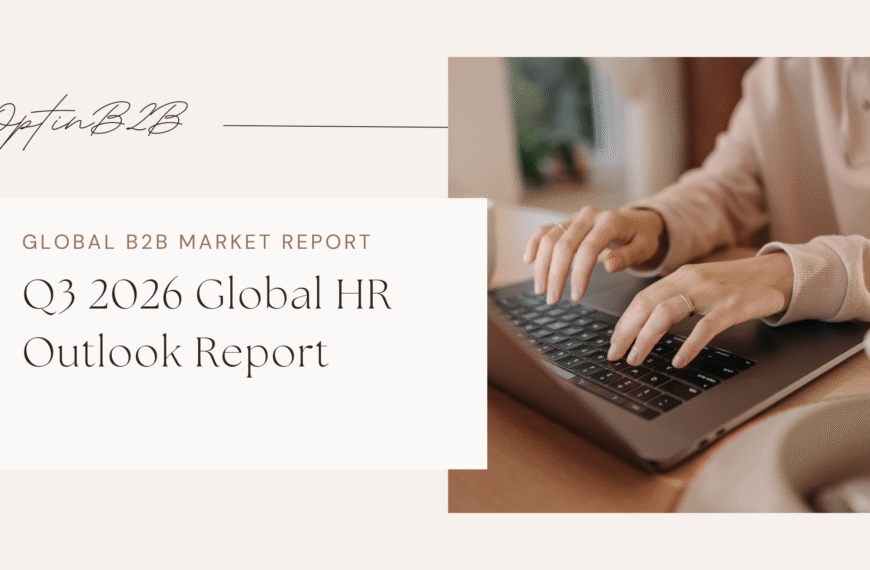
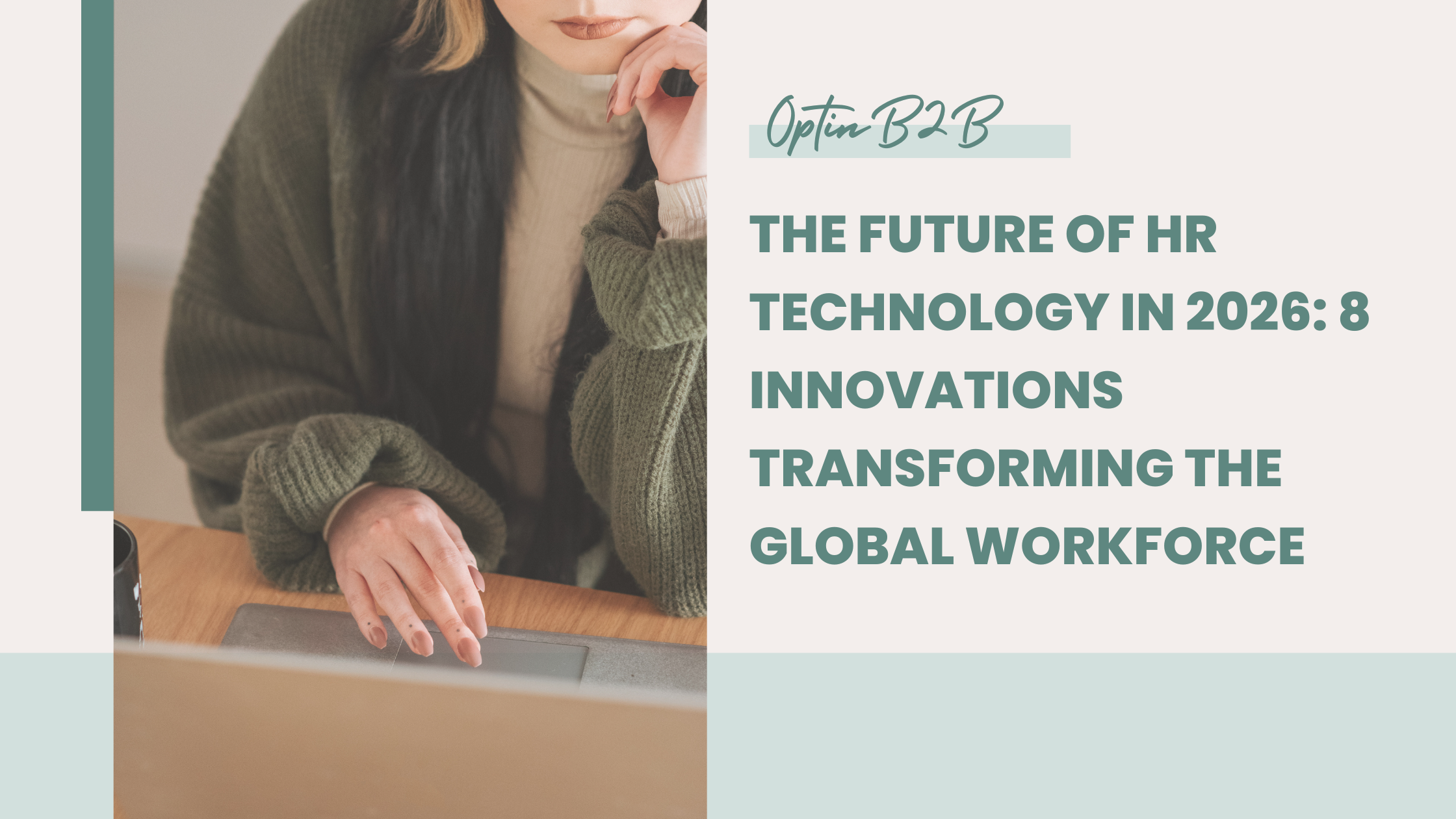

Human Resources has evolved far beyond payroll, recruitment, and administrative processes. In 2026, HR has become a strategic business function powered by intelligent technology, real-time data, and workforce insights.
Organizations worldwide are investing in HR technology not just to improve operational efficiency but to build resilient, skills-driven, and employee-centric workplaces. From AI-assisted recruitment to predictive workforce planning and intelligent learning platforms, modern HR technology is enabling organizations to make faster, smarter, and more informed people decisions.
This article explores eight key HR technology trends shaping global enterprises in Q3 2026 and what HR leaders should prioritize as they prepare for the future.
AI Is Becoming the Foundation of Modern HR
Artificial Intelligence has transitioned from an experimental capability to a core component of enterprise HR systems.
Rather than replacing HR professionals, AI is supporting them by automating repetitive tasks and providing data-driven recommendations.
Today, AI is commonly used for:
- Resume and application screening
- Candidate matching
- Interview scheduling
- Employee onboarding assistance
- HR helpdesk chatbots
- Workforce analytics
- Internal mobility recommendations
- Personalized learning paths
By reducing administrative workloads, HR teams can dedicate more time to strategic workforce planning, leadership development, and employee engagement.
Skills Intelligence Platforms Are Replacing Traditional Job Frameworks
Organizations are increasingly shifting from job-title-based workforce planning to skills-based workforce strategies.
Modern HR technology platforms now maintain dynamic skills inventories, allowing businesses to:
- Identify internal talent for open roles
- Map current workforce capabilities
- Detect future skills gaps
- Recommend learning opportunities
- Improve succession planning
- Support workforce redeployment
This shift enables organizations to respond more effectively to changing business demands while maximizing existing talent.
Predictive Workforce Analytics Is Driving Better Business Decisions
HR leaders no longer rely solely on historical reports.
Advanced analytics platforms now provide predictive insights that help organizations anticipate workforce challenges before they occur.
These solutions can forecast:
- Voluntary employee turnover
- Future hiring demand
- Workforce capacity
- Leadership pipeline readiness
- Critical skill shortages
- Employee engagement risks
With predictive analytics, HR becomes a proactive business partner rather than a reactive support function.
Employee Experience Platforms Are Becoming Business Priorities
Employee experience has emerged as a critical factor in attracting and retaining talent.
Modern HR technology integrates multiple workplace functions into a unified digital experience, including:
- Onboarding
- Performance management
- Continuous feedback
- Recognition programs
- Learning and development
- Internal communications
- Well-being resources
Organizations that invest in employee experience technology often report stronger engagement, improved retention, and higher productivity.
Routine administrative work continues to be one of the biggest productivity challenges for HR teams.
Automation is helping organizations simplify processes such as:
- Leave management
- Payroll workflows
- Benefits administration
- Compliance documentation
- Policy acknowledgments
- Employee record updates
- Workflow approvals
This not only reduces manual effort but also improves accuracy and consistency across HR operations.
HR technology in 2026 is no longer just about improving efficiency—it is about enabling better business decisions, empowering employees, and building resilient organizations.
Companies that combine AI, workforce analytics, automation, and skills intelligence with thoughtful governance and a strong employee focus are better positioned to attract talent, retain high performers, and adapt to changing market conditions.
For HR leaders, the opportunity is clear: invest in technology that not only streamlines operations but also strengthens the organization’s ability to grow, innovate, and compete in an increasingly dynamic global workforce.
 By
By